Grandma's Soap- Free Shipping On Orders Over $150.00 -Priority Mail FlatShipping Rate $ 7.99 -On All Orders - same day shipping -Top Quality Store
Grandma's Soap- Free Shipping On Orders Over $150.00 -Priority Mail FlatShipping Rate $ 7.99 -On All Orders - same day shipping -Top Quality Store
What many people don't know is that volcanic ash, particularly in the form of a clay known as Sodium Bentonite Clay or Volcanic Ash Clay, provides a multitude of health and beauty benefits as well. Because of its anti-viral, anti-bacterial, 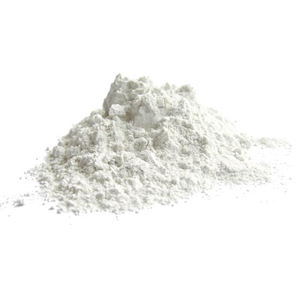 anti-yeast and general disinfectant qualities, Polynesians, Melanesians and many other cultures have utilized volcanic ash for centuries to treat a wide variety of infections and ailments. Recently, buzz about these health benefits has begun to spread like lava itself.
What is Sodium Bentonite Clay?
Sodium Bentonite is aluminum, phyllosilicate clay that is highly absorbent and generally impure. It's formed when weathered volcanic ash mixes with water resulting in a mineral-rich clay that consists mostly of montmorillonite
Health and Beauty Benefits
The very first evidence of the therapeutic use of Sodium Bentonite Clay was discovered to have occurred around 2500 B.C. in Mesopotamia. From then on, use of the clay has been attributed to North American Indians, the ancient tribes of central Africa, and even Mahatma Gandhi-all of whom valued the clay for its extensive use in healthcare and beauty regimens. Cleopatra and other historic women known for their extraordinary beauty regularly used Volcanic Ash Clay as a significant part of their daily beauty routines.
Topically, the clay exfoliates and firms, resulting in visibly revitalized skin and a youthful complexion. It has the added benefit of working to draw deeply embedded impurities and toxins out of the skin's pores. Additionally, Sodium Bentonite Clay has remarkable cleansing properties that work in conjunction with its high rate of absorption to provide effective solutions for acne, cellulite, sun damage, stretch marks, wrinkles, blemishes, and much more.
How Does it Work?
What makes Sodium Bentonite Clay unique and effective is that it carries a negative charge while toxins carry a positive charge. The clay's surface is made up of many microscopic platelets that are 1 to 2 microns in size. Each of these platelets has a negative electrical attraction for impurities and toxins that are positively charged. When applied, the clay works like a magnet, drawing positively charged toxins to its surface and holding them there. When the clay is removed, it takes with it the impurities and toxins that once thrived inside the skin.


